
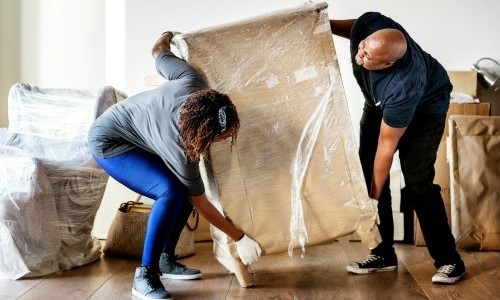
Moving antique furniture requires a different kind of attention than your everyday table or couch. These pieces often carry personal meaning or family history, and even if they didn’t, they’re still valuable due to how they were made and the materials used. Their age means they’re often more delicate and less forgiving to bumps, scrapes, or quick lifting. That’s why you’ve got to take extra steps to keep these items safe before, during, and after the move.
If you live in Wisconsin, where temperature and humidity can shift quickly in the fall, that also adds to the risk. Old wood may respond differently to colder or drier air, so it’s not just about how you lift or load an item. It’s also about paying attention to the conditions around it. The key is preparation. When you prepare properly, even the most fragile antique can arrive at your new place looking just as it did before the move.
Assessing The Condition Of Antique Furniture
Before anything gets packed or picked up, start by giving each item a good look. Not all antique furniture is created equal. Some pieces might look flawless on the surface but have minor cracks or weak joints. Knowing this upfront helps you make smart decisions when it’s time to move them.
Here’s what to do during the inspection:
– Look closely at corners, legs, and joints. These are the areas that tend to wear down first.
– Wiggle chairs or table legs gently to see if there’s any looseness or play.
– Check for any old repairs that might not hold up during the move.
– Feel for spots that may be rough, soft, or splintered.
Once each piece has been inspected, use your phone to take a few pictures from different angles. Capturing the current condition helps you track any issues that might pop up during transport. It also serves as a record in case something shifts. If you notice one piece is already stressed or fragile, make a mental note or mark it so extra care can be used with that one.
You might also want to remove any loose drawers or pieces that could fall off while lifting. Glass panels, removable legs, or twist features should be secured or temporarily taken off and packed separately. Even a single screw coming loose could turn a small issue into full-blown damage if you’re not cautious. By taking inventory early on, you’re saving yourself from surprises later.
Proper Packing Techniques
Once you’ve confirmed the furniture is ready to move, it’s time to think about padding and packing. Even though antiques might look strong, they usually don’t take well to sudden shocks or tight straps. The way you pack them plays a big part in keeping them safe.
Here are some steps to follow:
1. Use soft furniture blankets or cotton pads to wrap the full surface of each item. Old finishes can scratch more easily than newer ones.
2. Secure the blanket with moving tape, avoiding any direct contact with the wood or finishing.
3. For glass elements such as doors or tabletops, use bubble wrap and tape a layer of cardboard over the top for added safety.
4. If the item has uneven shapes or carved edges, add foam or soft corners to those spots before wrapping.
5. If space allows, use crates or custom boxes for especially fragile furniture like a small hand-carved table or antique cabinet mirror.
Don’t rush this part. Think of it like winter clothing. The more layers between the item and the unexpected, the better. Let your packing adjust to the shape of the furniture, not the other way around. Label wrapped items clearly so you know exactly what’s inside, especially if something was disassembled beforehand.
Creating padding layers and securing weak points goes a long way in keeping valuable antiques safe during the ride. Whether you’re going a few blocks or across town, being careful with how you wrap each piece matters.
Choosing The Right Moving Equipment
Getting antique furniture out of a house without scratches or damage involves more than careful hands. It takes the right gear to guide heavy, fragile pieces through narrow doorways, stairwells, or slick garage floors. This starts with dollies designed to move bulky items. Standard carts won’t cut it, especially when dealing with older wood or uneven weight. A padded dolly that fits the furniture’s bottom shape can help keep balance and avoid tipping.
Straps are another must. They steady large items on a dolly or can be used by two people to carry heavier pieces without putting too much strain on one end. Good straps should be adjustable and padded to avoid rubbing against edges. Pair that with thick moving blankets or felt padding for things like carved wood or glossy surfaces. These small additions prevent furniture from rubbing or bumping against walls or corners.
If you have multiple pieces that need to go down steps, ramps, or into trucks, add sliders or soft glides beneath the legs. These tools work well for short distances and are easier on flooring. In less stable weather, like what you sometimes get in Wisconsin during the fall, make sure to have grip mats if you’re loading from a wet driveway or uneven surface.
Even with the right equipment, the people using it matter just as much. A moving furniture helper who understands how antique pieces shift during lifting or rolling can spot trouble before it starts. Whether it’s watching the grain on an old leg or knowing how to angle an oversize desk through a tight corner, skill plays a big role in keeping your items safe every step of the way.
Hiring Professional Antique Furniture Movers
While it’s tempting to try moving antique furniture yourself, there’s a lot of risk involved. That’s where working with the right professionals makes a big difference. Handling old, fragile furniture takes practiced technique and dependable teamwork.
When choosing a company, look for movers with proven experience in moving antiques. Ask about how they handle delicate and heavy items, and what tools they use on the job. Movers should be able to explain the way they pad, carry, load, and secure vintage furniture without hesitation.
At All Out Movers, we offer services designed for antique furniture relocation. Our team uses specialized gear and trained handling methods to keep every piece protected from start to finish. It’s more than just getting something from one house to another. It’s about making sure that piece arrives looking the same as when it left.
Keeping Your Antique Furniture Safe During Transit
Once everything’s packed and loaded into the truck, it’s easy to let your guard down, but the ride might be the trickiest part. A quick turn or bumpy road can shift things and cause scratches, dents, or worse. The key is in how you anchor your furniture in place. Use strong ratchet straps to secure larger items to the side panels of the truck, spacing the tension so nothing bends or warps during the trip.
Leave space between pieces whenever possible to prevent them from rubbing against each other. If stacking must be done, like placing a chair under an upright wardrobe, set a thick pad or moving blanket as a buffer. Check all corners and pressure points for stability before closing the truck doors.
It’s smart to keep fragile or valuable antique items toward the back of the moving truck so they get unloaded first. The less time spent shifting past other furniture and boxes, the better. Take a photo of how each secured piece looks before starting the drive. That way, you know how to reload it if anything needs to be moved or adjusted along the way.
For unloading and reassembly, go slow. There’s no rush. Have a clear path in your home so the furniture doesn’t need to be twisted in tight areas. Set each piece down gently and unwrap one item at a time. Check for any rubbing or pressure marks. Let wood furniture rest at room temperature before putting shelves or decorations back on. That gives it time to settle into its new space safely.
Making Sure the Story Behind Your Furniture Keeps Going
Moving antique furniture is a mix of planning, patience, and the right support. When you take the time to inspect your pieces, wrap them carefully, and guide them through each step with the proper tools, you set yourself up for a better outcome. Every step adds a layer of protection, from checking joints ahead of time to watching out for bumps during transit.
If you’re in Wisconsin and dealing with weather swings or tight home layouts, it helps to think through every little detail. Whether it’s the type of flooring in your new place or how humidity may mess with old wood, paying attention to those small things can protect the bigger investment. Antique pieces tell a story that often spans generations. Moving them safely helps make sure that story keeps going.
If you’re ready to ensure a safe and smooth move for your antique furniture, consider the benefits of working with a moving furniture helper who understands how to handle delicate and valuable pieces with care. At All Out Movers, our team offers expert support to simplify every step of your relocation and protect what matters most.