
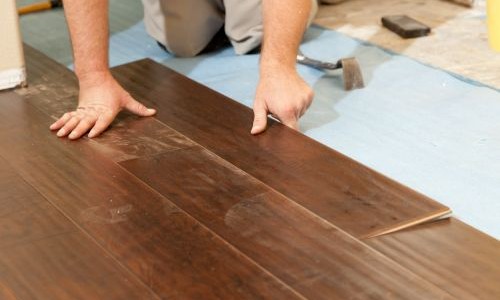
Winter moves in Wisconsin come with their own unique set of challenges, especially when wood floors are involved. Snow, ice, and freezing temperatures don’t just affect the roads and your moving schedule — they can take a serious toll on your home’s interior, too. Between boots tracking in salt and moisture to heavy furniture sliding around, a lot can go wrong for your floors if you’re not prepared ahead of time.
Wood floors add warmth and character to a home, but they also need more attention during winter moves. Even a small amount of melted snow or road salt can leave behind marks, warping, or scratches. Taking a few smart precautions before and during the move can help you keep your floors in great shape while still getting everything safely moved into your new spot.
The Risk Of Moving During Wisconsin Winters
Moving during winter in Wisconsin means dealing with more than just cold air. Snow, sleet, and icy buildup are everywhere. For wood floors, that mix spells trouble.
Snow and ice brought inside on boots or moving equipment melt quickly, leaving water puddles on your floors. Wooden surfaces absorb that moisture fast. This can lead to swelling, warping, or even long-term cupping. Fluctuating indoor temps caused by doors constantly opening and closing make things worse since wood expands and contracts under temperature changes.
And then there’s salt. It’s used just about everywhere in winter to keep roads and walkways safe, but it’s harsh on indoor surfaces. Salt can scratch the finish on wood, leave behind a stubborn white residue, and even break down protective coatings. When salt gets ground in by boots or furniture legs, it can leave stains that are tough to fix.
It doesn’t need to be a major spill either. One slushy boot or damp dolly wheel can start the process. Having a plan to defend your floors from the elements makes everything go smoother on move day.
Essential Preparations Before The Move
Getting ready for the move ahead of time pays off, especially when winter weather is involved. Proper prep protects your space and helps the move go faster.
Here are a few steps to take before movers arrive:
1. Clear and salt all outdoor walkways
Make sure driveways, sidewalks, and entry steps are shoveled and treated. This keeps the crew safe and cuts down on how much snow and moisture get tracked in.
2. Lay down protective coverings inside and out
Place tarps or flattened cardboard on any outdoor steps and porches. Inside, use floor protectors, cardboard walkways, or padded rugs in key areas like hallways and entrances.
3. Tape down non-slip runners
Use rug runners with grip backing or traction mats and secure them with strong tape. This helps avoid slipping and keeps your floor covers from moving around.
4. Get everything packed before move day
Packing early helps reduce the amount of time doors are open. Fewer trips from the house to the truck mean less moisture and cold air coming in.
5. Designate clear walking paths
Make sure people know where to walk. Creating a clear route in and out helps avoid accidents and limits damage to high-traffic areas.
Even simple prep can catch a lot of mess before it reaches your wood floors. A mat and rug combo at each door creates an entry system that stops a surprising amount of slush and salt. Leaving towels nearby is helpful too for quick clean-ups on the fly.
Protecting Floors During the Move
Once items start moving in or out of the house, things can get messy quickly. It’s best to set up floor protection before anything gets carried inside. A little time spent prepping doorways and high-traffic paths makes a noticeable difference.
Start by placing heavy-duty mats on the porch or just outside each entry. Follow that with thick absorbent rugs inside each door to catch melting snow and dirt. Stick down floor coverings like cardboard or non-slip surface runners across entryways and common pathways to shield your floors.
Encourage everyone on site to wear clean footwear. If changing shoes isn’t possible, make it a rule to wipe feet thoroughly before stepping inside. Watch for moving equipment, especially anything with wheels. Make sure dollies or bins have rubber wheels or padding to avoid cutting into wood if they get wet or cold.
Keep a few old towels ready to dry wet shoes, catch sudden spills, or soak up puddles. Assigning someone to monitor wet spots can help avoid moisture sneaking into wood seams unnoticed. Being alert in real time helps reduce damage before it starts.
Post-Move Floor Care Tips
After your last box is inside and the doors are finally closed, your job isn’t totally done. Even with solid winter prep, there’s usually a bit of cleanup needed when it comes to wood floor care.
Here’s a quick checklist to follow after your winter move:
– Sweep up leftover grit and loose dirt right away
– Mop using a lightly damp microfiber mop (avoid soaking wet tools)
– Focus on areas with the most foot traffic and where snow was tracked in
– Wipe floors dry with a soft cloth after mopping
– Use a wood-friendly floor cleaner if white salt stains are visible
– Look along edges and corners for signs of water damage
If you notice small scratches or scuff marks, try using wood polish or a wood tone filler stick to make them less visible. Continue checking those same spots over the next few days as the flooring adapts to indoor temperatures again.
Investing a little time in post-move care helps your floors bounce back from the stress of a winter move instead of showing signs of long-term wear.
Why Experienced Movers Matter in Winter Conditions
Moving when it’s snowing or freezing outside is intense. Skilled movers who work through Wisconsin winters know how to handle these conditions without causing extra damage.
Pros arrive with everything needed, from ramps and rugged mats to waterproof equipment and slip-resistant floor coverings. They understand how slick surfaces, cold hands, or icy sidewalks can shift the timing of a job and adapt fast to stay on schedule while still protecting your home.
Unlike less experienced movers, a well-trained crew won’t ignore soaked mats or damaged runners. They know when to stop and rework protection to prevent accidents or expensive repairs. Whether it’s adjusting for snow buildup or removing slush along the way, the right movers take those extra steps so you don’t have to worry.
Hiring experienced movers means one less thing on your plate during what’s already a chilly and stressful time. It ensures your belongings and your floors stay intact no matter what winter throws at you.
Keeping Your Floors Safe and Move Day Smooth
Making a move during a Wisconsin winter doesn’t have to come with major risks, especially to something as important as your wood floors. Slush, salt, and freezing air present real problems, but most of them can be avoided with a bit of prep, smart routing, and the right support team.
Whether it’s clearing ice-covered walkways, taping down mats, or drying off a muddy dolly, small steps taken early make a big difference. Once your items are in place and the winter mess is wiped clean, you’ll be glad your floors still look just as polished as when you started.
For a winter move that stays on track and protects your home’s finishing touches, the support of skilled residential movers in Wisconsin makes all the difference.
For those looking to make a winter move as seamless as possible, consider working with experienced residential movers in Wisconsin. All Out Movers ensures your floors remain pristine, even in the face of challenging weather. Explore how our team can help protect your space with precision and care.