
Moving a couch through a doorway might sound simple until you’re staring at a tight hallway and scratched paint. Oversized furniture can be awkward, heavy, and tricky to handle. Tall cabinets, wide sectionals, old dressers, or large headboards don’t always fit neatly into a moving truck or through narrow entries. If you’ve ever had to tilt a couch vertically to get it down a staircase, you know the struggle. As fall winds pick up across Wisconsin, adding rainy days and slick entryways into the mix just makes matters harder.
This is where careful planning and the right help come in. Moving large or heavy furniture takes more than muscle. It takes knowing what kind of space you’re working with, what the piece is made of, and how to guide it from point A to point B without wrecking anything in its path or yourself. Whether you’re shifting furniture across town or down the hall, taking time to plan it out helps lower the risk of accidents, delays, and costly damage.
Assessing The Furniture And The Move
Every move is different, and when oversized furniture is part of the picture, eyeballing measurements just won’t cut it. Before the first cushion is lifted or drawer is emptied, it helps to spend a little time getting all the facts straight. That includes understanding the item itself and the space you want to get it through.
Here’s what should be looked at right away:
– Furniture size and shape: Measure the height, width, and depth of each item. Pay attention to non-removable parts like armrests or footboards that might limit maneuverability.
– Weight: Some older furniture can feel twice as heavy due to solid wood frames or added glass elements.
– Layout of the building: Walk the full route from the room the item is in to the moving truck. Are there steps? Tight corners? Low ceilings? This helps you plan where the tricky spots are.
– Door and hallway dimensions: Most of the time, doorways are the main barrier. Compare your furniture measurements with the width and height of these spaces. Don’t forget stairways, especially ones with sharp turns or railings that can’t be removed.
One helpful example is trying to move a large wooden china cabinet out of a split-level home. The cabinet may fit through the front door but not down a narrow stairwell opening. If you start the move without knowing that, you could find yourself stuck halfway down with no space to back up.
Also, consider where the furniture will go once it’s moved. Knowing where it’s landing can help avoid moving it all over again later.
Preparing For The Move
Once you’ve checked out the measurements and corners, the next step is getting everything around the furniture ready. This step makes a bigger difference than most people think. Preparing the home and item properly can help avoid scrapes, bumps, or broken parts.
Start with these actions before move day:
1. Clear all pathways. Pick up rugs, boxes, shoes, or anything else on the floor. The fewer things in the way, the safer and quicker the move will go.
2. Protect the floors. Lay down rugs, blankets, or floor runners if the piece is heavy and could scuff hardwood or tile.
3. Double-check walls and corners. Wrap foam or thick towels around edges you might bump when turning wide items.
4. Secure loose parts. Tape or wrap doors, drawers, and knobs tight to keep them from swinging or falling off during the move.
5. Disassemble if possible. Remove legs, arms, shelves, or other parts that can come off without damage. Keep hardware in a labeled bag.
6. Communicate with others. If you’re in an apartment or have neighbors close by, it helps to let them know the timing so you’re not blocked in the middle of a hallway or taking up a shared space unexpectedly.
Packing up oversized furniture isn’t an afterthought. It’s a step that protects your home and your belongings. A little effort here could save a lot of cleanup or repair work later on.
Tools and Equipment Needed
Oversized furniture doesn’t budge without the right help, and much of that help comes in the form of equipment. The right tools don’t just make the move faster. They also protect your back, your walls, and the item itself.
Here’s a breakdown of equipment helpful during these types of moves:
– Moving dollies: These basics do a lot of work. Use a four-wheel flat dolly for big, broad furniture like dressers or hutches. For taller or leaner pieces, a hand truck may help maneuver around tight corners or narrow pathways.
– Furniture sliders: These come in handy when you need to shift a heavy item across the floor without lifting it. They’re especially useful on hardwood or tile, where dragging something risks damaging the finish.
– Lifting straps: These distribute the weight more evenly and can make a big difference if stairs are involved. When used properly, they lower the strain on your arms and back.
– Heavy-duty blankets or padding: Wrap these around furniture to prevent dents, scratches, or rubbing during loading or transport.
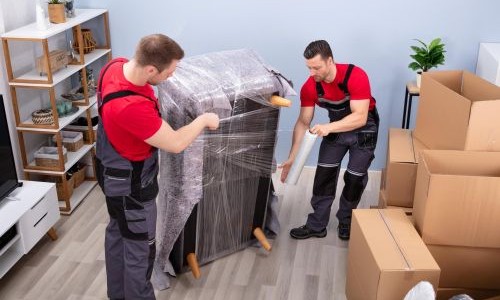
– Stretch wrap and tape: Secure padding or keep drawers shut using wrap and sturdy tape. Avoid taping directly to painted or finished surfaces.
– Protective gloves and comfortable footwear: Good grip, proper support, and non-slip soles help keep accidents down and give you better control.
Trying to move something heavy without these items can lead to frustration or damage. Even a small item becomes tricky if it’s bulky or oddly shaped. That’s where tools take over to help you stay in control.
Why Hiring Experienced Movers Makes a Difference
Trying to handle oversized furniture by yourself or with a few friends may sound doable, but things can go sideways quickly. There’s a big difference between lifting and moving with intention, especially in homes with narrow doorways, tricky stairwells, or unpredictable fall weather in Wisconsin.
Professional movers come prepared with more than a truck. They’ve been trained to handle a range of items like heavy nightstands, glass-top dining tables, and awkward sectionals. They know how to pack, lift, and rotate furniture to keep strain down on both the item and their bodies. They also know when a piece needs to be disassembled instead of forcing it through. That kind of judgment usually saves time and keeps both furniture and walls safe.
Another thing that people tend to underestimate is the value of structure. A trained team walks through the plan first, then works through each step with focus and communication. That type of preparation makes the whole experience feel easier. With flat-rate pricing, there’s no stress about time dragging on just to bump up the bill.
Making Your Move Efficient and Safe
Moving large items doesn’t have to take all day or wear everyone out. When things are organized and communication is clear, big pieces move with fewer bumps along the way.
Here are a few ways to help the team stay efficient:
– Agree on a path for moving large furniture early. This prevents confusion and delays when something’s halfway through a tight hallway.
– Keep pets and kids in a separate, safe part of the home while furniture is being moved. Distractions can lead to accidents.
– Label parts or drawers taken off furniture. Put all hardware in labeled bags. This makes reassembly faster and avoids lost pieces.
– Offer a simple walk-through of your home before starting. Point out tight entries or trouble spots that may need extra attention.
– If the weather looks rough, lay down protective mats or talk to the crew about extra precautions.
With preparation and teamwork, everything stays on track—even when you’re working with oversized furniture that needs extra care.
Smooth Moves Start with the Right Help
An oversized item doesn’t have to derail your move. Whether it’s a long dresser, a big glass coffee table, or a framed headboard that’s seen better days, getting it to your next space without added stress is possible with the right approach.
Planning early, using the right tools, and working with trained movers cuts down the risk of damage or delays. As Wisconsin heads into fall and weather becomes a factor, leaning on movers who know how to handle slick steps or damp entryways makes a big difference. With a solid plan and the right support, you can stay focused on what really matters—getting settled into your new space.
Completing a move smoothly takes coordination and the right support. Whether it’s planning, equipment, or manpower, your efforts will make a big difference. If tackling oversized furniture sounds overwhelming, consider working with a moving furniture helper who knows how to manage heavy and awkward items safely. All Out Movers is here to help make your relocation easier and more efficient from start to finish.