
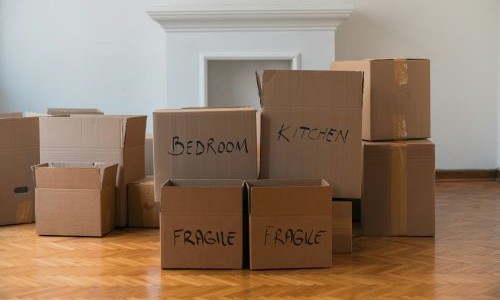
Moving day can get hectic fast, especially when your home is full of stuff you haven’t gone through in years. Boxes pile up, time runs short, and suddenly you’re staring at drawers and closets filled with things you forgot you had. Sorting your items before the big day might sound like an extra step, but it’s one you’ll be glad you took. By going through your belongings ahead of time, you’ll save space, avoid dragging clutter to your new home, and cut down on stress along the way.
Having things sorted makes a move feel more manageable. You’ll know exactly what’s worth packing up and what’s better off being donated or tossed. It can even save you money since you’re likely to need fewer boxes and fewer hours of move time. Whether you’re moving out of a studio apartment or a four-bedroom house, the process works better when you’ve taken the time to separate the must-haves from the no-longer-needs.
Start With a Plan
Trying to take on the whole house at once is a quick way to feel overwhelmed. That’s why making a simple plan is one of the best ways to start. Take a walk through your space and write down the rooms or areas that need sorting. Then prioritize by how much stuff is in each one and how often you use the things in them. Less-used spaces like storage closets, basements, or spare rooms are usually good starting points. These areas tend to have more items you’ve forgotten about or no longer need.
Set small goals for each day or week so you don’t burn out. For example, try tackling one room over the weekend or blocking out an hour each night for sorting. When you give yourself bite-sized tasks, things get done faster and with less stress. Also, decide now how you’ll sort. Will you use bins, boxes, or bags? Getting those materials ahead of time helps keep your process moving without interruptions.
Don’t forget to factor in time for breaks. Sorting can get tiring, and decision fatigue is real when you have to ask yourself “keep or toss?” over and over again. Giving yourself room to pace things out makes everything feel more doable. And if you’re working with others like family members or roommates, divide the space to make things move more efficiently. A solid plan keeps you from scrambling and lets you focus on what matters most.
Smart Ways to Categorize Your Items
Once you’ve got a plan, the next step is sorting your stuff into categories. This part sounds simple, but it’s where people stumble the most. The goal here is to create a clear system so you don’t have to second-guess every single item. Start by setting up four main categories: keep, donate, sell, and trash.
Here’s one way to stay organized:
– Keep: Items you use regularly or have strong value or memories attached
– Donate: Usable items in good condition that you don’t use anymore
– Sell: Items with resale value that you’re willing to put effort into listing
– Trash: Broken, expired, stained, or otherwise unusable stuff
Use colored bins, stickers, or labels to mark things as you go. That way, when it comes time to actually get rid of or pack things, you already know where everything belongs. Labeling saves time and keeps mistakes from happening, like accidentally giving away something you wanted to keep.
Proper sorting also plays a role in reducing waste. Donating usable items gives them a second life instead of sending them to a landfill. Recycling papers, batteries, and electronics helps the environment too. It may take a little extra effort, but it’s worth it if it keeps your new place from getting cluttered right off the bat.
One example: If you’ve hung on to every T-shirt you collected from college events, now’s the time to go through them. Keep the ones that still fit or hold real memories. Bag the rest for donation. You’ll be surprised how much space that clears. And if you’re feeling stuck on certain things, remind yourself that less stuff makes unpacking and settling into your new space feel a lot lighter.
Tips for Deciding What to Keep or Toss
Sometimes deciding what to keep and what to let go of is the hardest part. Items hold memories or that “just in case” feeling that makes parting with them tougher than expected. One helpful way to make decisions is by asking a few simple questions: Have I used this in the last year? Will I really need it in my new place? Does it fit my current lifestyle? And for sentimental stuff, does it make me smile or am I just holding on out of guilt?
If you’re on the fence, try setting up a “maybe” box. Give those items a second look after a day or two. Chances are, you’ll find it easier to decide with a little distance. Another trick that works well is giving yourself a limit. Say you’ve got five pairs of the same style of shoes. Commit to keeping just two you actually wear. The rest can be donated or passed along.
Cutting down now means less to clean, pack, and haul. That definitely makes things smoother when moving day rolls around. Letting go of clutter also opens up space for your new start. If you’re relocating to a smaller home or just want a fresh beginning, spending time to trim down what you own can feel like lifting a weight off your shoulders.
Handling Specialty Items with Care
Some belongings need more than just a basic once-over. Fragile or high-value items deserve their own sorting process. That includes things like glassware, collectibles, jewelry, important documents, and electronics. For anything breakable, check for chips, cracks, or signs of wear. If it’s already damaged and not worth fixing, it might be time to part with it instead of letting it take up room.
Paperwork might be tricky. Go through folders and drawers to pull out what you truly need, like tax records, warranties, or legal documents. Shred the rest or recycle where possible. Grouping your papers into clear categories helps a lot when you start unpacking later. Use folders or file boxes so you can quickly grab them on moving day without scattering important details.
With electronics, remove batteries and cords before packing. Bundle chargers and devices that go together. If you’re not using something anymore, like that old printer that never worked right, consider donating it or sending it to an e-waste center. For furniture, take measurements before your move to check what will actually fit in your next space.
Handling these items carefully upfront prevents stress later. You won’t waste time unpacking broken or unneeded things, and you’ll be more confident everything important is where it should be.
Hiring Professional Help for a Smoother Move
Sorting and organizing can quickly take over your time, especially if you’re juggling work, family, or other obligations. That’s where bringing in professional help can make a difference. Movers who know what they’re doing don’t just show up with a truck and a few dollies. They can guide you through sorting, helping figure out what’s worth packing and what’s better off staying behind.
They’ve seen hundreds of moves and understand how to deal with tricky items, big furniture, or houses full of things that haven’t been touched in years. Using their help lets you focus on the bigger picture while they help streamline the prep and take care of the packing in a smart, organized way.
If you’re planning to downsize or pack up a family home, this kind of help reduces both the physical and mental load. It can also create a buffer when hard decisions need to be made. A neutral opinion coming from someone outside the family can help move things along when emotions are high or time is short.
Smooth Move, Happy Home
The more you prepare before the moving truck pulls up, the easier the entire process becomes. Sorting your belongings forces you to think through what matters and what’s just taking up space. It makes room for a cleaner, more organized move and a lighter transition into your next home. You may even feel more in control when the big day arrives, which helps keep stress levels down.
Starting early, sticking to a plan, and going room by room keeps everything more manageable. You get to feel good about the things you’re taking with you and feel free from the burden of things you’ve let go. Whether you’re moving far away or just down the block, being intentional about what stays and what goes can change the entire experience.
When it’s finally time to settle into your new place, you’ll be surrounded by the stuff you use, value, and enjoy. And that makes unpacking feel more like decorating than just getting through a chore. With less clutter and more clarity, you’ll be ready to make the most of wherever you’re headed next.
Ready to make your move more manageable and leave the clutter behind? Explore how professional help with your moving and junk removal needs can simplify everything from start to finish. Trust All Out Movers to handle the heavy lifting and make your transition smooth and stress-free.